Top 10 Items You Should Never Toss in the Trash


Electronic Waste
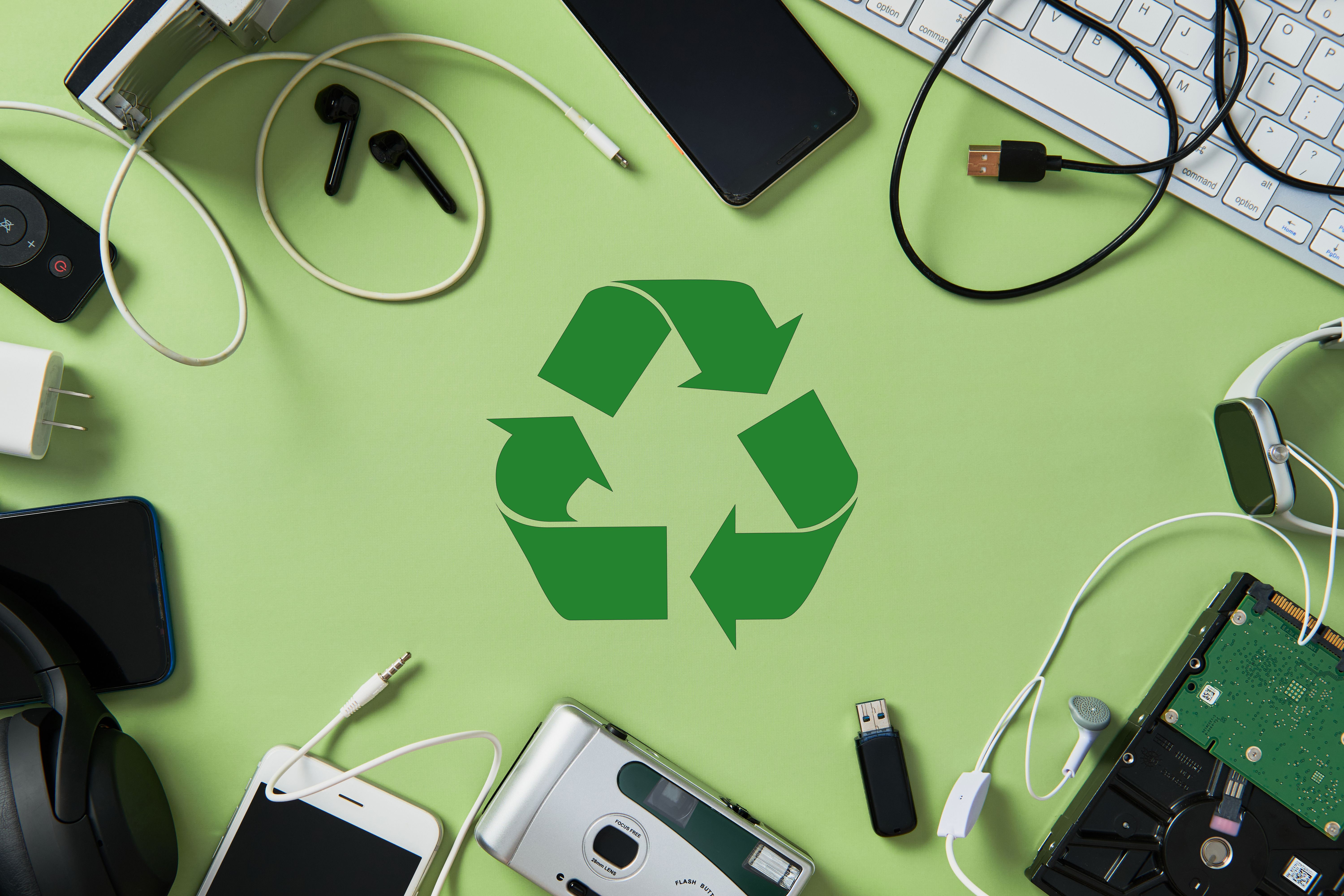
Electronic waste, or e-waste, is a growing concern as technology rapidly evolves. Items like old phones, laptops, and batteries contain hazardous materials that can harm the environment. Instead of tossing these in the trash, consider recycling or donating them. Many manufacturers and retailers offer take-back programs to ensure these items are disposed of responsibly.
Household Hazardous Waste
Household hazardous waste includes items such as paints, solvents, and cleaning chemicals. These substances can be dangerous if they leach into the soil or water supply. Check with your local waste management facility for special collection days or drop-off locations to safely dispose of these materials.
Batteries
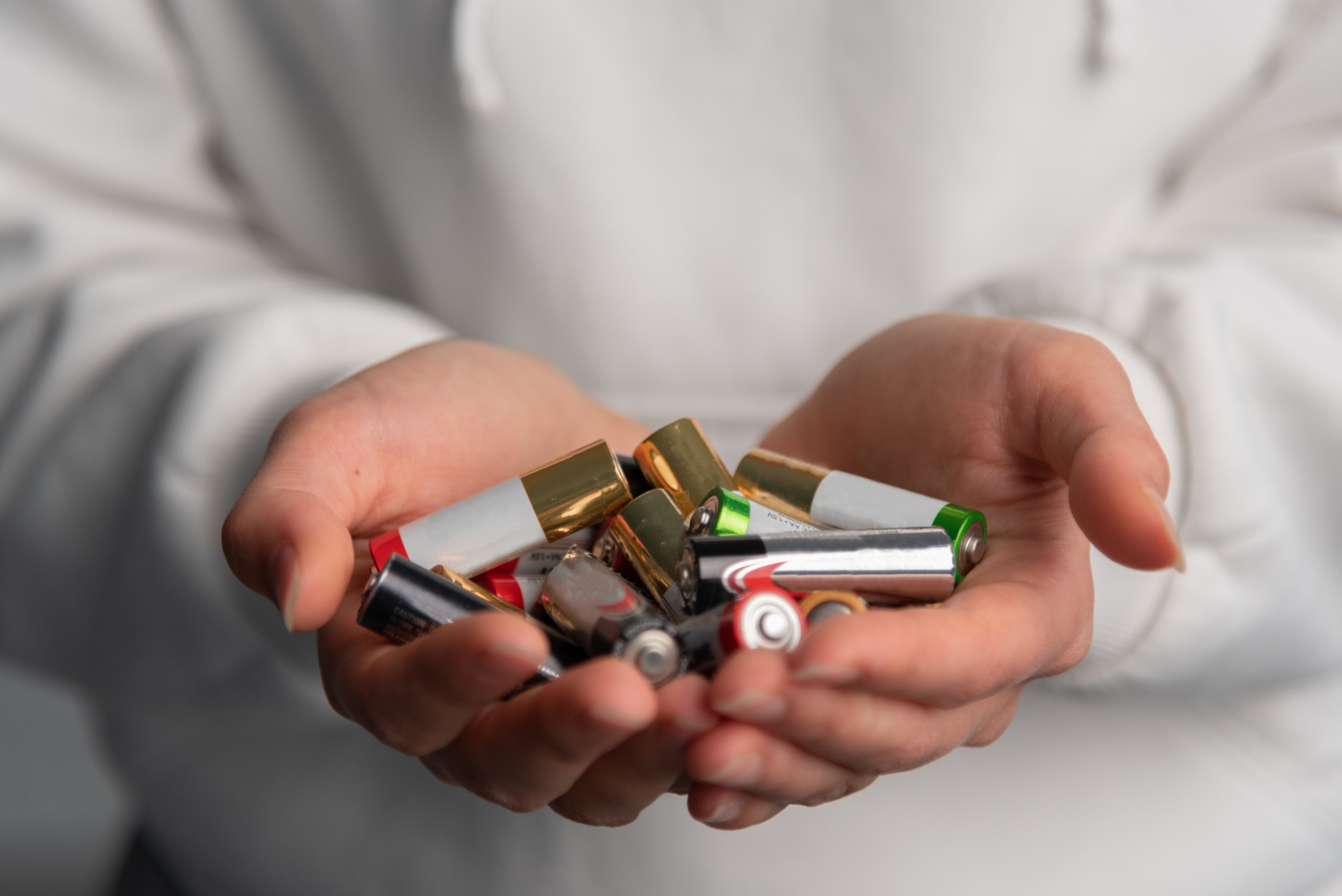
Batteries contain toxic metals like lead and cadmium, which can pose significant environmental risks. Many stores provide battery recycling bins, making it easy to dispose of them responsibly. Remember, even rechargeable batteries need proper disposal once they reach the end of their life cycle.
Medications
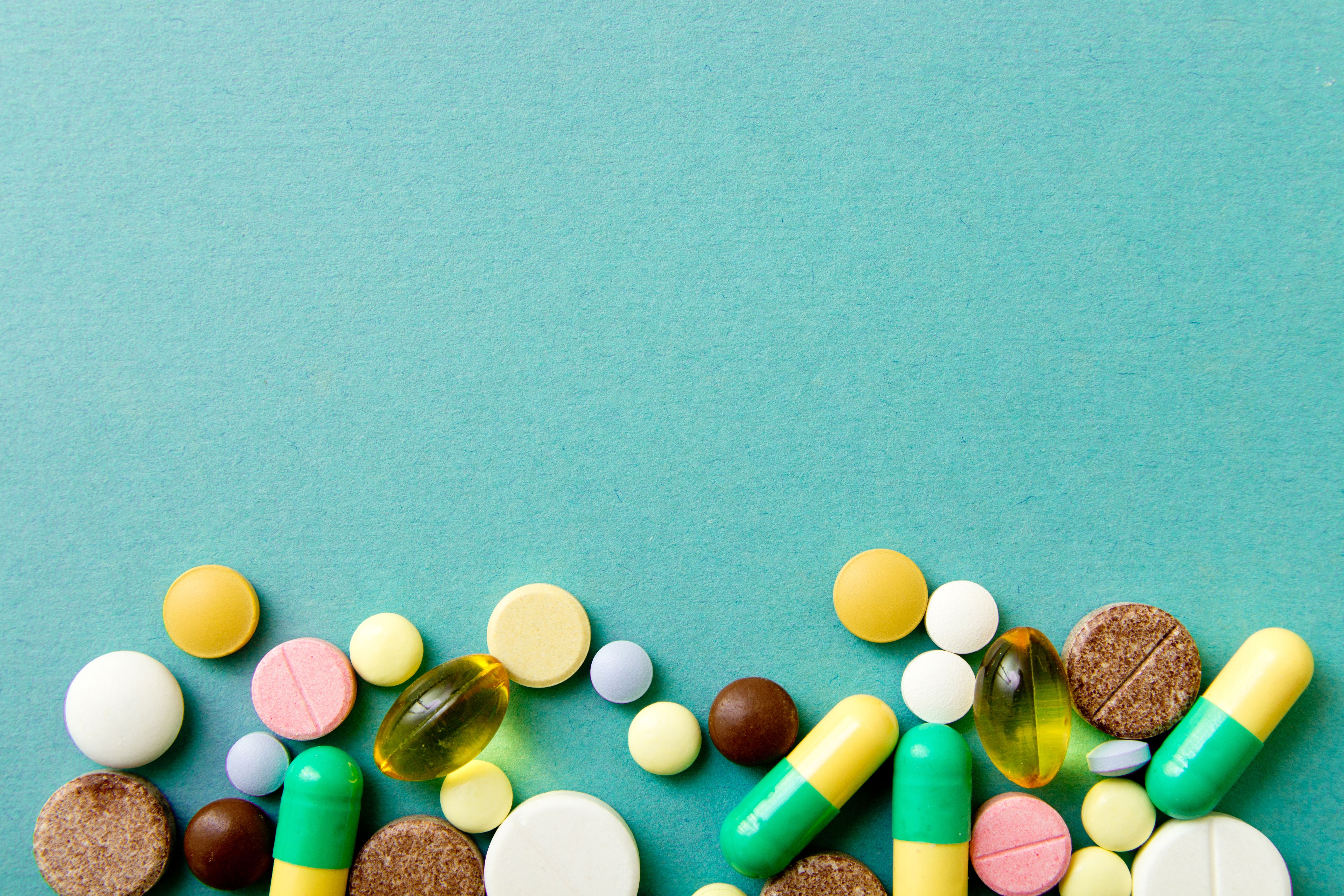
Expired or unused medications should never be thrown in the trash or flushed down the toilet. These can contaminate water supplies and harm aquatic life. Many pharmacies offer take-back programs, or you can check for local drug take-back events.
Prescription Drugs
Prescription drugs require special attention. Besides the environmental impact, they pose a risk of accidental ingestion by children or pets. Ensure these are safely returned to designated drop-off locations or take-back programs.
Cooking Oil
Pouring cooking oil down the drain can lead to plumbing issues and environmental harm. Instead, collect used cooking oil in a sealed container and take it to a recycling facility. Some areas offer programs that convert used oil into biodiesel.
Old Tires
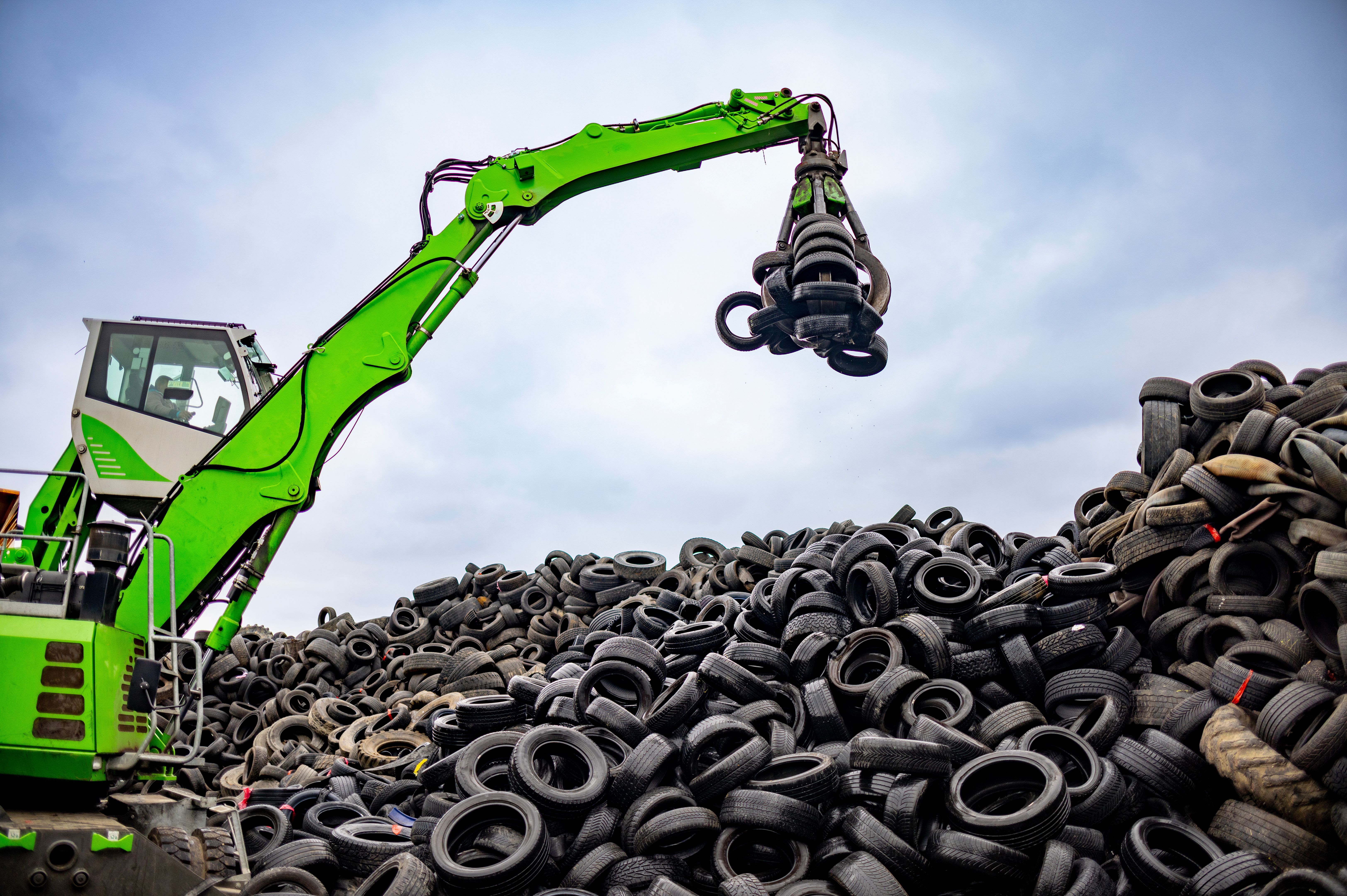
Old tires take up significant space in landfills and can become breeding grounds for pests. Instead of discarding them, explore recycling centers that repurpose tires for use in playgrounds, sports tracks, and other innovative applications.
Glass
Glass is highly recyclable and can be reused multiple times without loss of quality. Recycling glass helps reduce energy consumption and conserves natural resources. Ensure glass items are clean and sorted correctly before taking them to a recycling facility.
Scrap Metal
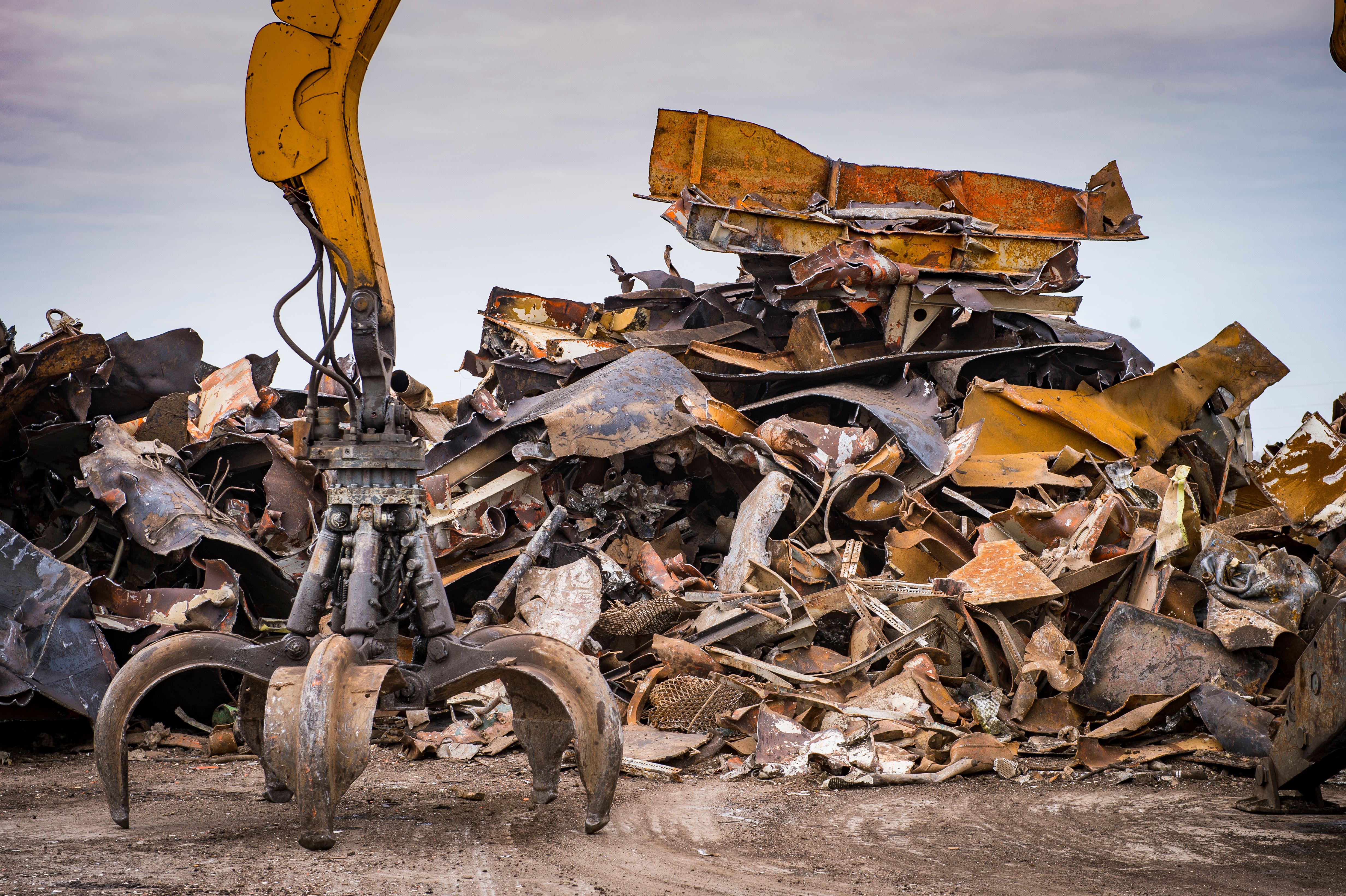
Scrap metal, including aluminum and steel cans, should be recycled to reduce the demand for new metal production. This not only conserves resources but also saves energy. Many recycling centers accept scrap metal and may even offer compensation for larger amounts.
Plastic Bags
Plastic bags are notorious for their environmental impact, often ending up in oceans and harming marine life. Many grocery stores have collection bins specifically for plastic bags, which are then recycled into new products.
CFL Bulbs
Compact fluorescent light bulbs (CFLs) contain small amounts of mercury and should be disposed of through proper recycling channels. Many retailers offer CFL recycling programs, ensuring these bulbs are handled safely and responsibly.