Local Regulations on Junk Disposal: What You Need to Know


Understanding Local Regulations
Disposing of junk might seem straightforward, but there are numerous regulations that vary from one locality to another. Understanding these rules is crucial to ensuring that you're following the law and contributing to a cleaner environment. Local governments often impose specific guidelines to manage waste effectively and reduce environmental impact.
Before you start discarding items, it's essential to be aware of these local regulations. Ignorance can lead to fines or other penalties, so being informed is the first step in responsible junk disposal.

Types of Waste
Local regulations often categorize waste into different types, such as household waste, hazardous waste, and recyclable materials. Each category has distinct disposal methods. For example, household waste typically goes to landfills, while recyclable items should be placed in designated recycling bins.
Hazardous waste, including batteries and chemicals, requires special handling. Most municipalities have designated drop-off points or scheduled collection days for these items. Make sure to check your local guidelines to know where and when these collections take place.
Recycling Guidelines
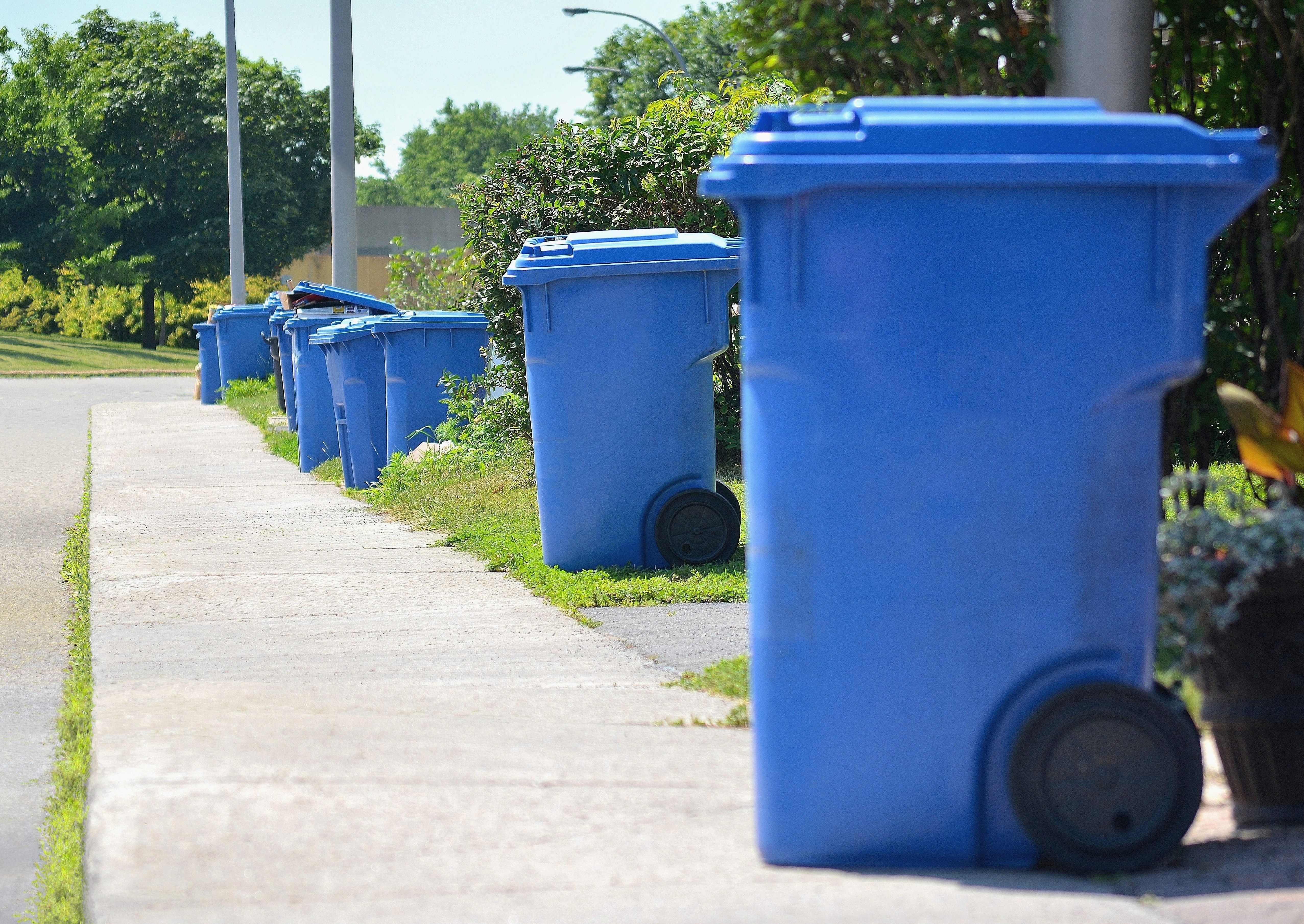
Recycling is a critical component of waste management, and local regulations often have specific guidelines on what can and cannot be recycled. Common recyclable materials include paper, cardboard, glass, and certain plastics. However, items like plastic bags and polystyrene foam are often excluded.
It's vital to clean and sort recyclables properly to prevent contamination. Dirty or mixed recyclables can lead to entire batches being sent to landfills, undermining recycling efforts. Always check your local rules for any updates or changes in recycling policies.
Special Disposal Events
Many localities host special disposal events where residents can bring specific types of waste for proper disposal. These events are often scheduled for items like electronics, tires, and large appliances that aren't collected during regular waste pickup.
Participating in these events is an excellent way to ensure that your waste is handled correctly and sustainably. Keep an eye on your community's announcements for upcoming events and take advantage of these opportunities.
Penalties for Non-Compliance
Failure to comply with local disposal regulations can result in penalties, including fines and community service requirements. These penalties are in place to encourage responsible waste management and reduce environmental harm.
To avoid these penalties, always stay informed about your local regulations. Many municipalities provide resources and guides to help residents understand their waste management responsibilities.

Community Resources
Fortunately, many communities offer resources to help residents navigate local disposal regulations. Websites, hotlines, and community centers can provide valuable information on how to dispose of various types of waste properly.
Take advantage of these resources to stay informed and ensure that your waste disposal practices align with local laws. Being proactive not only helps you avoid penalties but also contributes to a healthier environment for everyone.
Conclusion
Understanding and adhering to local regulations on junk disposal is essential for responsible waste management. By staying informed and utilizing available resources, you can ensure that your disposal practices are environmentally friendly and compliant with the law.
Remember, responsible disposal is a community effort, and every small action contributes to a cleaner, greener future.