DIY Junk Removal: What You Need to Know Before You Start


Junk removal can often seem like a daunting task, but with the right approach, you can tackle it yourself. Whether you're decluttering your home, preparing for a move, or simply trying to clear out some space, DIY junk removal is a practical solution. However, before you dive in, it's important to consider a few key factors to ensure the process goes smoothly and efficiently.
Understand the Scope of Your Project
Before you begin, assess the volume and type of junk you need to remove. This will help you determine the resources required and plan accordingly. Are you dealing with old furniture, appliances, or an abundance of small items? Identifying the types of items will help you organize your removal strategy.
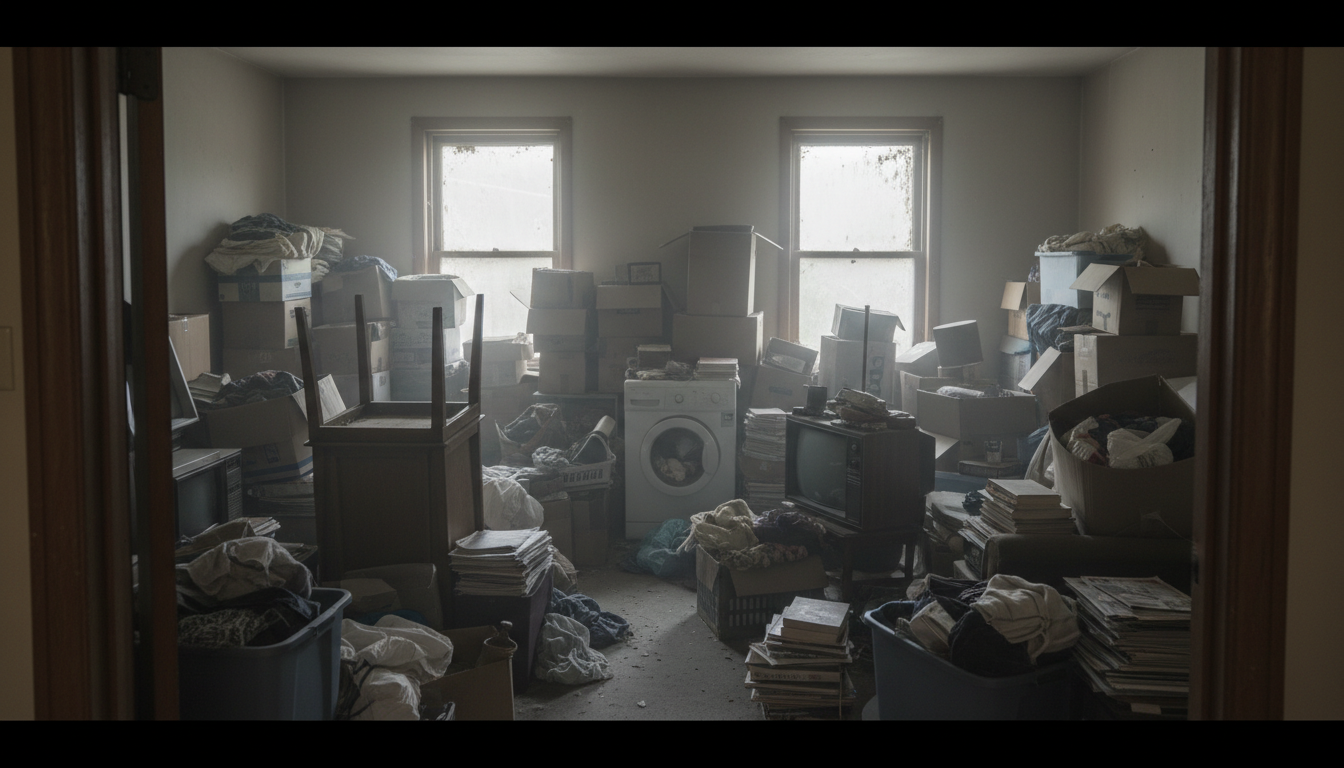
Once you have a clear understanding of what needs to be removed, decide whether you need any special equipment. For example, large items may require a dolly or hand truck, while hazardous materials might need specific disposal methods. Preparing in advance will save you time and effort.
Plan for Proper Disposal
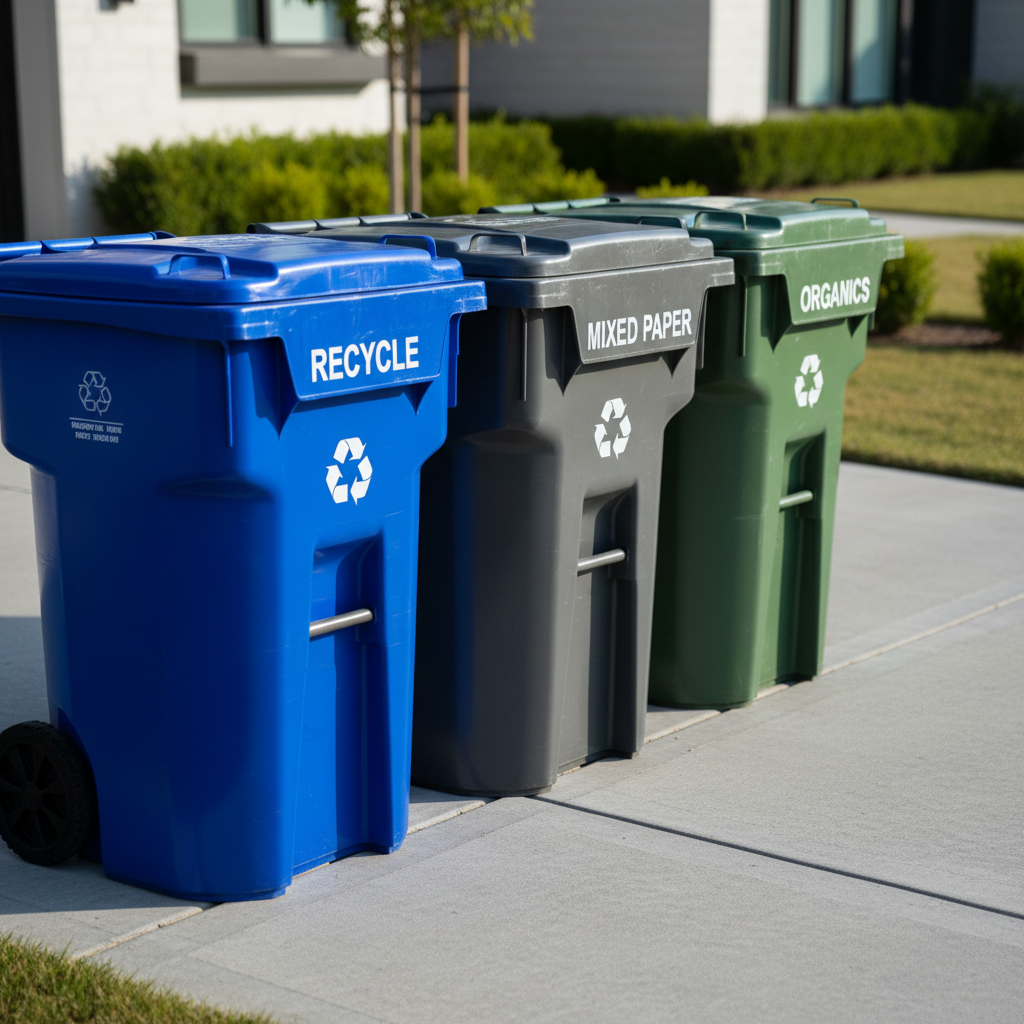
Disposing of junk responsibly is crucial. Different materials require different disposal methods. Check your local regulations to understand what can be thrown away, what needs to be recycled, and what requires special handling. Many communities offer recycling programs or special pickup services for bulky items.
Consider donating items that are still in good condition. Many charities and non-profit organizations accept furniture, clothing, and other household goods. Not only does this help the environment, but it also benefits those in need.
Renting a Dumpster
If you have a large amount of junk, renting a dumpster might be a convenient option. This allows you to dispose of everything at once without multiple trips to the landfill. Be sure to choose the right size for your project to avoid excess costs.
Safety First
Safety should always be a priority during junk removal. Wear appropriate clothing, including gloves and sturdy shoes, to protect yourself from sharp objects and heavy items. Be cautious when lifting heavy objects to avoid injury, and consider enlisting help for particularly large or cumbersome items.

Additionally, be mindful of any hazardous materials. Items like paint, batteries, and certain electronics require special handling and should not be disposed of in regular trash. Research how to properly dispose of these to avoid any potential hazards.
Time Management and Efficiency
Efficiently managing your time is key to a successful DIY junk removal project. Set aside dedicated time to complete the task, and break it down into manageable steps. Work room by room or category by category to stay organized and motivated.
Consider creating a checklist to track your progress and ensure nothing is overlooked. This will help you stay on track and make the process more manageable.
Conclusion
DIY junk removal can be an effective way to clear out unwanted items while saving money. By understanding the scope of your project, planning for proper disposal, prioritizing safety, and managing your time efficiently, you can simplify the process and achieve a clutter-free space. Remember, preparation is key to a successful and stress-free junk removal experience.